

Turkey
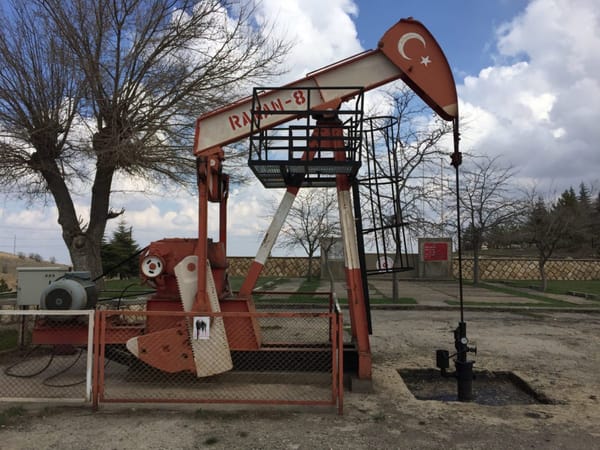
The Unintended Consequences of Turkey’s Quest for Oil
The discovery of oil in Turkey's southeast encouraged state elites to imagine that development would lead to the assimilation of Kurds into Turkish culture and language. Instead, oil infrastructures and the resulting social changes had very different consequences. Zeynep Oguz explains the historical
The Unintended Consequences of Turkey’s Quest for Oil
The discovery of oil in Turkey's southeast encouraged state elites to imagine that development would lead to the assimilation of Kurds into Turkish culture and language. Instead, oil infrastructures and the resulting social changes had very different consequences. Zeynep Oguz explains the historical
Rebranding the Turkish State in the Time of COVID-19
As Turkish scholars residing in the United States when the pandemic began to curtail normal life, Ergin Bulut and Başak Can signed on to take the Turkish government’s evacuation flight home. This experience and their time spent in government-managed quarantine yielded interesting insights into the s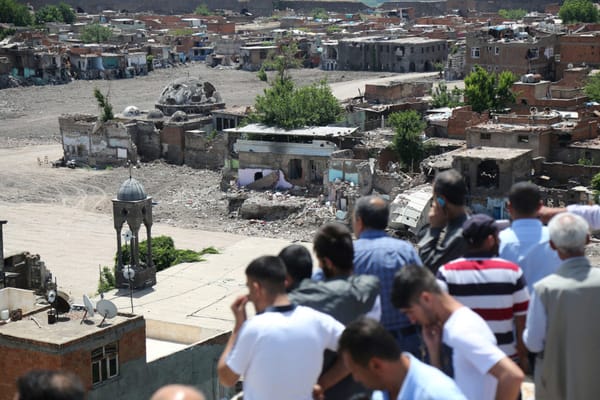
The Kurdish Movement’s Disparate Goals and the Collapse of the Peace Process with Turkey
The Kurdish movement in Turkey has three stated objectives: to achieve a resolution of the Kurdish issue, to democratize Turkey and to establish a decentralized political system formulated as Democratic Confederalism by Abdullah Öcalan, the imprisoned leader of the Kurdistan Workers Party (PKK).[1] Although the PKK is at the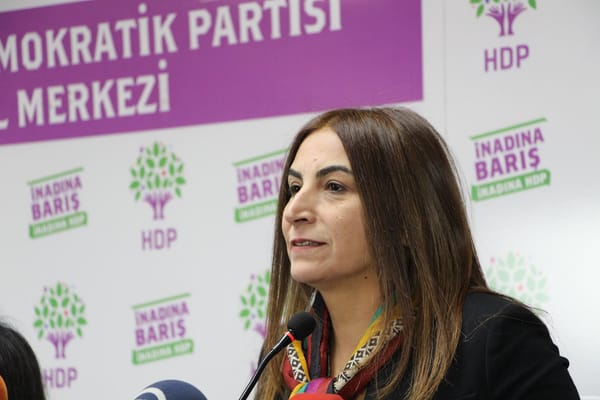
Where Will You Find That Many Women?
Aysel Tuğluk is a Kurdish politician, a founding member and the first co-chair of the Democratic Society Party (DTP) in Turkey. She was elected as a member of parliament in 2007 and banned from politics for five years when the Constitutional Court outlawed the DTP in 2009. Tuğluk was electedThe Kurdish Movement’s Relationship with the Palestinian Struggle
The Palestinian and Kurdish struggles for self-determination share several common features. Both are stateless movements fighting against colonial, apartheid regimes in the Middle East and both have tortured histories of oppression and resistance. Despite the similarities, the relationship between Kurdish and Palestinian political circles is fragmented and tense since both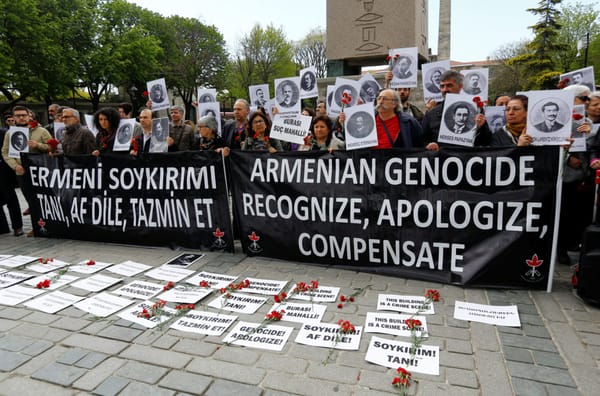
The Armenian Genocide in Kurdish Collective Memory
Kurdish acknowledgement of participation in the Armenian genocide of 1915 along with Kurdish municipal efforts to atone have grown tremendously in the past 20 years. Adnan Çelik draws on his fieldwork and personal experience to explain how Kurdish memory work—drawing on knowledge transmitted for mor
Tracing the Conceptual Genealogy of Kurdistan as International Colony
İsmail Beşikci is the first social scientist in modern Turkey to analyze the oppression of Kurds, distributed across four nation states, through the concept of the “international colony.” In recent years, Beşikci has been celebrated among his peers and a younger generation of intellectuals in Turkey and beyond, who increasingly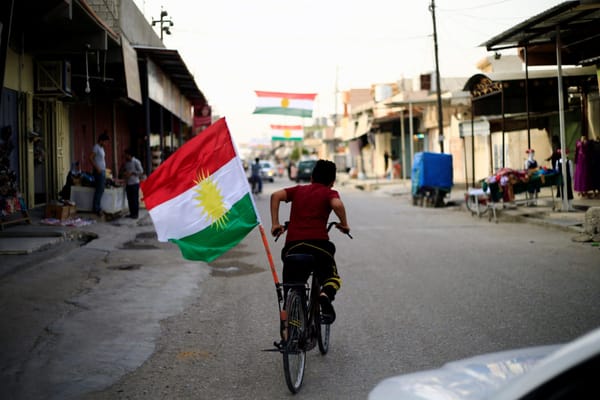
The Elusive Quest for a Kurdish State
Kurdish communities in the Middle East have been struggling for independence, autonomy and civil rights since at least the 1880s. While Kurdish movements across the region have suffered from fragmentation, the more formidable obstacle to fulfilling Kurdish aspirations are regional and global geopoli
The Armenian Genocide in Kurdish Collective Memory
Kurdish acknowledgement of participation in the Armenian genocide of 1915 along with Kurdish municipal efforts to atone have grown tremendously in the past 20 years. Adnan Çelik draws on his fieldwork and personal experience to explain how Kurdish memory work—drawing on knowledge transmitted for mor