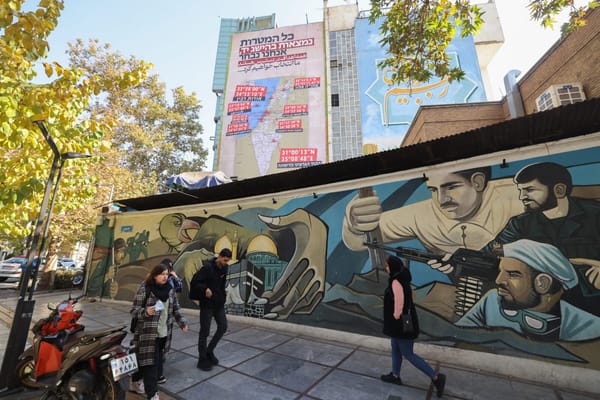
Iran
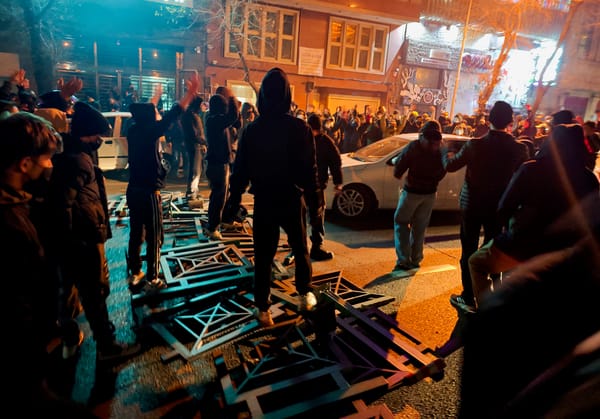
The MERIP Podcast Episode 14: The MERIP Roundtable, On Iran's Protests
In this installment of the MERIP Roundtable podcast, we discuss the latest wave of protests in Iran. The protests began on December 28, 2025, as merchants and bazaar workers reacted negatively to new budgetary measures announced by President Masoud Pezeshkian. The protests snowballed in the first week of January, reachingThe MERIP Podcast Episode Two: New Gender Frontlines Launch
This week in the MERIP Podcast feed we have the audio recording of our launch event for the latest issue of Middle East Report, New Gender Frontlines. Hosted by MERIP Executive Director, James Ryan, and featuring a panel with MERIP Editorial Committee member and issue editor Sabiha Allouche (University ofThe MERIP Podcast Episode One: Mona Tajali
The first episode of the MERIP Podcast features an interview with Mona Tajali, a Visiting Scholar at Stanford University's Center on Democracy, Development and the Rule of Law about her piece, “Women and Politics in Post-Jina Iran” which was published in our latest issue “New Gender Frontlines.” Interview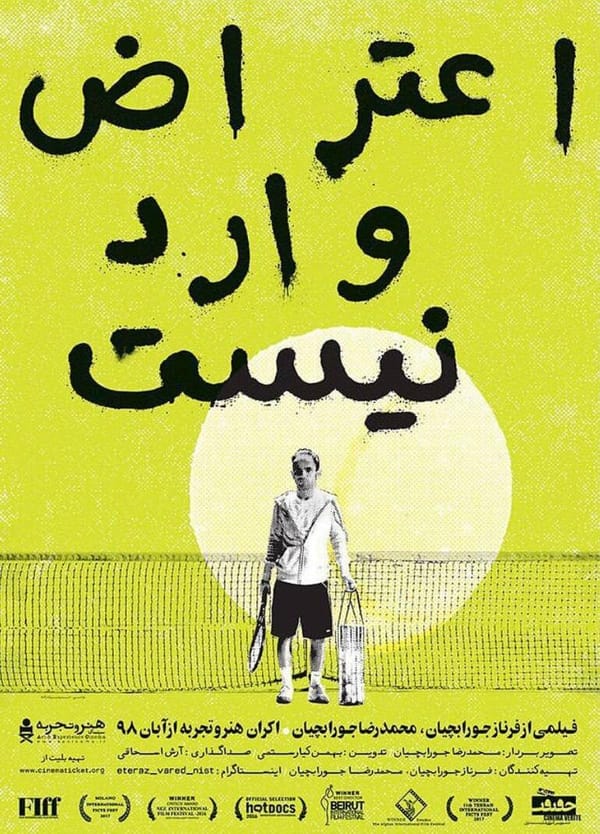
Courts of Exclusion—Working-Class Masculinity and Anti-Afghan Racism in Iran
In 2016, Gol Agha, a ball boy and worker at a private tennis club in Tajrish—an affluent neighborhood in northern Tehran—went to an administrative office in Karaj to receive a headcount slip. There, Gol Agha was told by employees at the registration desk that the headcount slip could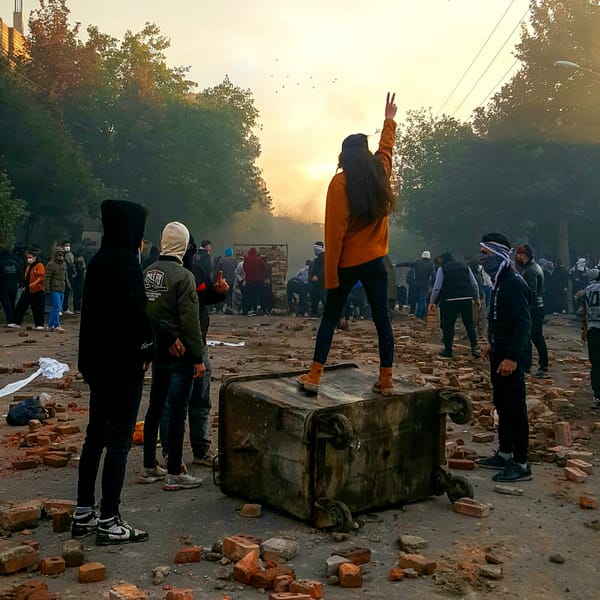
Narratives of 'the Oppressed'—The Dialectic of Resistance Behind the Axis
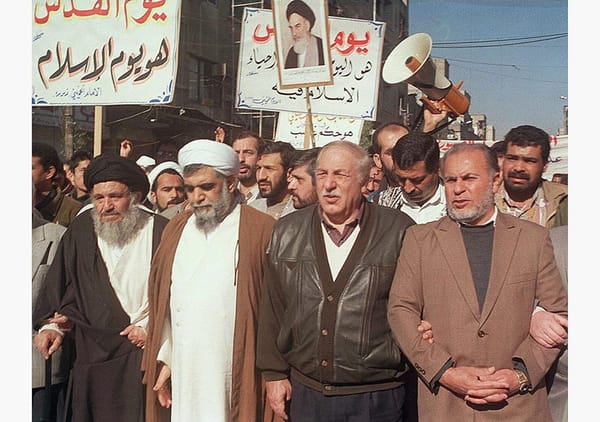
Since its formation, the Axis of Resistance has embodied a defiant stance against imperialism and Zionism. The phrase itself first circulated in the English-language media, in the early 2000s—a response to then-President George W. Bush’s ominous talk of the “axis of evil.” By 2010, at the latest, the