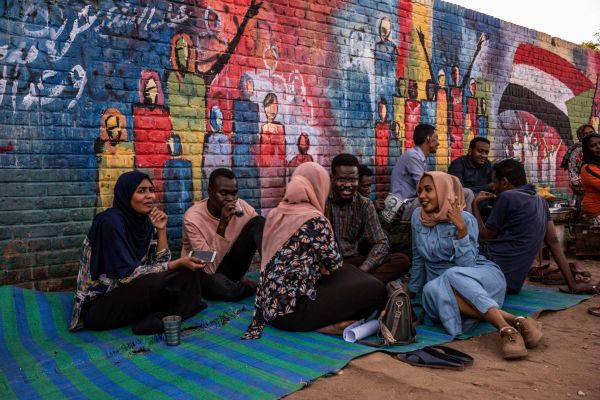


Whatever Happened to Dignity? The Politics of Citizenship in Post-Revolution Tunisia
At this time, near the end of 2021, the prospects for social justice and democracy in Tunisia are quite bleak. In the aftermath of President Kais Saied’s coup of July 25, 2021, the state of power relations among political parties and civil society organizations is uncertain. Most of the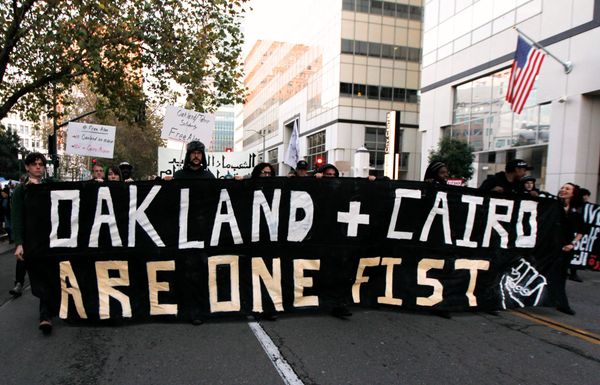
Egypt From Icon to Tragedy
When masses of people assembled in Egypt’s public squares and succeeded in toppling President Husni Mubarak in 2011, the world went a little bit mad. That an urban uprising unseated one of the contemporary world’s most favored autocrats became freighted with symbolism. The two-week occupation of Tah
Dialectics of Hope and Despair in the Arab Uprisings
Alaa Abd El-Fattah and Ahmed Douma, leading Egyptian revolutionaries, wrote these words in 2014 for the Mada Masr piece “Graffiti for Two…Alaa and Douma.” Abd El-Fattah and Douma have spent most of the last decade in jail, much of it in solitary confinement. The uncomfortable coexistence of hope and
The Enduring Taste of Hope—A Poem and Interview with Khaled Mattawa
Soon after Libyans rose up in protest against the brutal authoritarian regime of Muammar al-Qaddafi in February 2011, the Libyan American poet Khaled Mattawa wrote “Now That We Have Tasted Hope.” His poem powerfully captured the mix of relief and anguish, despair and hope felt by many who participat