Latest Issue:
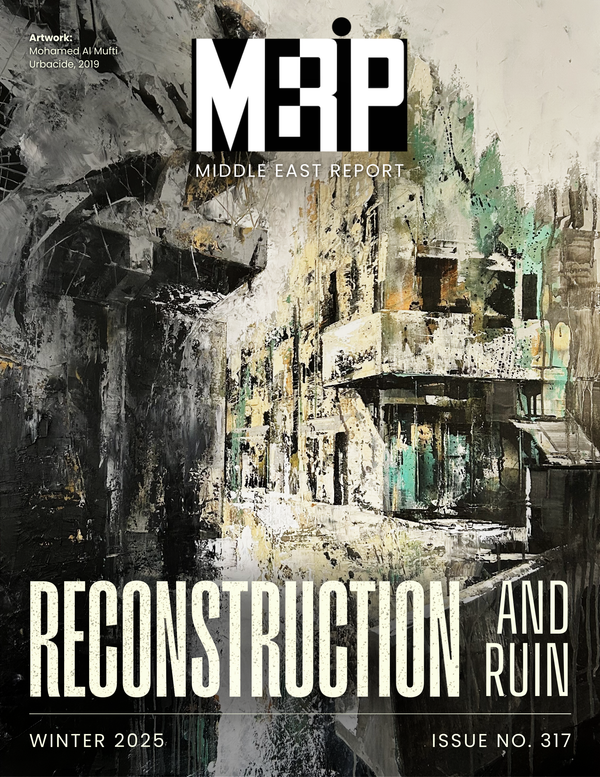
Reconstruction and Ruin
Rebuilding Gaza from the Ground Up
An Interview with Minerva Fadel of Architects for Gaza
Mapping Destruction—A Conversation with Jamon Van Den Hoek of Conflict Ecology
Changing scales of conflict and advances in satellite imagery are reshaping how damage is assessed.
MERIP Updates
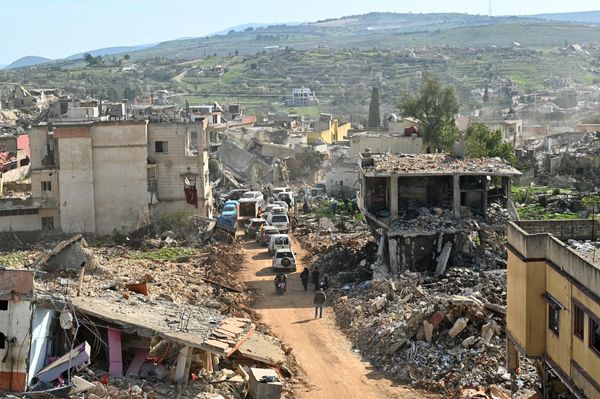
NEW: ‘Our Compass is Broken’—Israel’s Ongoing War on South Lebanon
Dear Friends and Comrades, Amid the escalating US and Israeli war on Iran, the Israeli invasion of South Lebanon is intensifying. In addition to drone and missile attacks in Beirut, Israel is carrying out a combined ground and aerial campaign aimed at creating a so-called buffer zone up to the
Kicking Off Delco Gives 2026-Support Our Work!
Dear Friends and Comrades, Today marks the beginning of Delco Gives, a fundraising campaign sponsored by the Foundation for Delaware County in which MERIP is participating. While much of MERIP’s work is spread out over the country and the globe, we relocated our base of operations as a 501(The MERIP Podcast Episode 20: The MERIP Roundtable, On the Iran War Part III
Today’s episode is the third installment of our MERIP Roundtable discussing the war on Iran, instigated by the United States and Israel on February 28, 2026, and its regional reverberations. This episode focuses on Israel’s expanded war on Lebanon. Following the assassination of Ali Khamanei, supreme leader of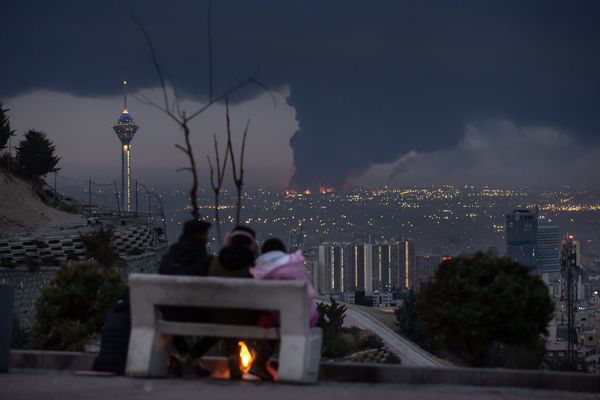
War Across Boundaries–Perspectives on Iran and a Region Under Siege
On February 28, 2026, the United States and Israel launched airstrikes on Iran, initiating a war with wide-ranging consequences for Iran and the broader region and devastating effects for their populations. Already, millions have been displaced and thousands killed. But this war is not a sudden rupture. It is theThe MERIP Podcast Episode 19: The MERIP Roundtable, On the Iran War Part II
On today’s episode of the MERIP Roundtable our discussion focused on people’s experiences of the war on Iran and throughout the region two and a half weeks in. Much of the discussion of this war in the western media has centered on the strategic calculus of the UnitedThe MERIP Podcast Episode 17: Niema Alhessen
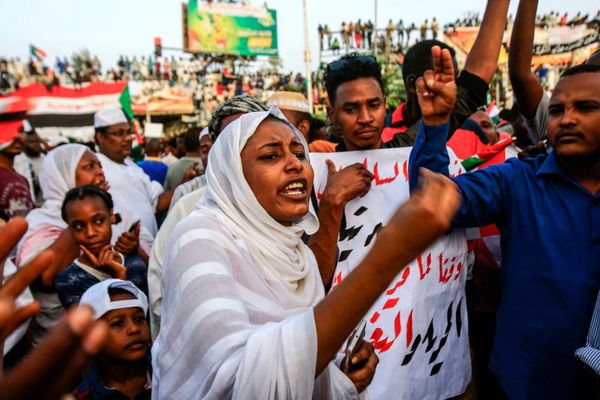
Today’s episode of the MERIP Podcast features an interview with Niema Alhessen, a Sudanese researcher based in Cairo who is focused on urban conflict and displacement. She is the author of “Burri Under Siege—How War Remade Everyday Life in a Sudanese Neighborhood” in our Winter 2025 issue of
Current Analysis
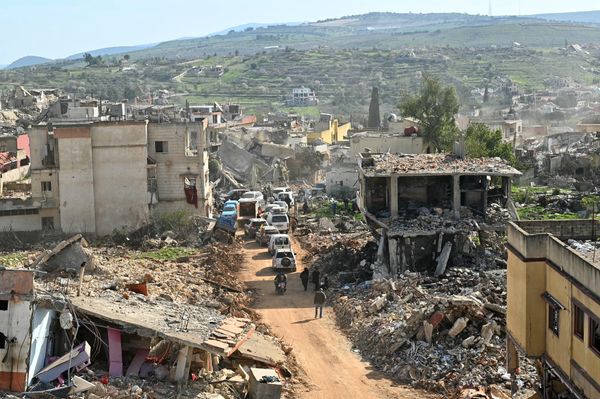
'Our Compass is Broken'—Israel's Ongoing War in South Lebanon
Every day since the beginning of Israel’s war on Gaza in 2023, my father, like many other villagers from Lebanon’s south, has listened to the news in the hope of hearing that he can return to our village along the border of South Lebanon and rebuild our house.
War Across Boundaries–Perspectives on Iran and a Region Under Siege
On February 28, 2026, the United States and Israel launched airstrikes on Iran, initiating a war with wide-ranging consequences for Iran and the broader region and devastating effects for their populations. Already, millions have been displaced and thousands killed. But this war is not a sudden rupture. It is the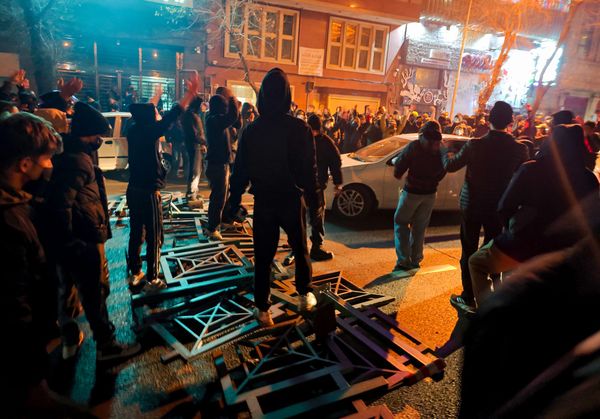

Primers
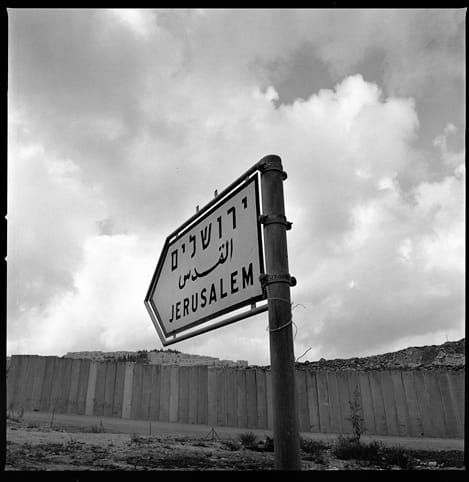
Palestine and Israel—A Primer
This primer provides an overview of key actors, organizations, historic events, political developments and diplomatic initiatives that have shaped the status and fate of Palestinians and the State of Israel from the late nineteenth century to the present. It is divided into topical sections and organized roughly chronologically—although some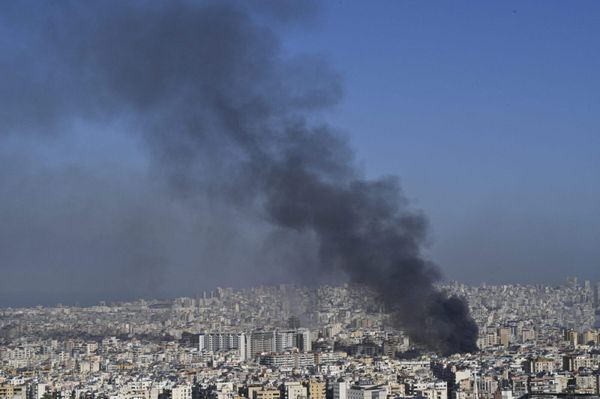
MERIP Updates
NEW: ‘Our Compass is Broken’—Israel’s Ongoing War on South Lebanon
Dear Friends and Comrades, Amid the escalating US and Israeli war on Iran, the Israeli invasion of South Lebanon is intensifying. In addition to drone and missile attacks in Beirut, Israel is carrying out a combined ground and aerial campaign aimed at creating a so-called buffer zone up to the
Kicking Off Delco Gives 2026-Support Our Work!
Dear Friends and Comrades, Today marks the beginning of Delco Gives, a fundraising campaign sponsored by the Foundation for Delaware County in which MERIP is participating. While much of MERIP’s work is spread out over the country and the globe, we relocated our base of operations as a 501(The MERIP Podcast Episode 20: The MERIP Roundtable, On the Iran War Part III
Today’s episode is the third installment of our MERIP Roundtable discussing the war on Iran, instigated by the United States and Israel on February 28, 2026, and its regional reverberations. This episode focuses on Israel’s expanded war on Lebanon. Following the assassination of Ali Khamanei, supreme leader of
War Across Boundaries–Perspectives on Iran and a Region Under Siege
On February 28, 2026, the United States and Israel launched airstrikes on Iran, initiating a war with wide-ranging consequences for Iran and the broader region and devastating effects for their populations. Already, millions have been displaced and thousands killed. But this war is not a sudden rupture. It is theThe MERIP Podcast Episode 19: The MERIP Roundtable, On the Iran War Part II
On today’s episode of the MERIP Roundtable our discussion focused on people’s experiences of the war on Iran and throughout the region two and a half weeks in. Much of the discussion of this war in the western media has centered on the strategic calculus of the UnitedThe MERIP Podcast Episode 17: Niema Alhessen
Today’s episode of the MERIP Podcast features an interview with Niema Alhessen, a Sudanese researcher based in Cairo who is focused on urban conflict and displacement. She is the author of “Burri Under Siege—How War Remade Everyday Life in a Sudanese Neighborhood” in our Winter 2025 issue of