
Libya
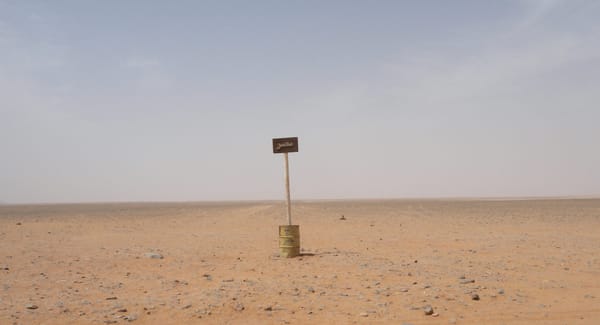
Nation-Making on the “Razor’s Edge” in the Egyptian-Libyan Borderland
In 1908, the British lord and arch-imperialist George Curzon published a short treatise on the unique role of frontiers in modern history. “Frontiers,” he wrote, “are indeed the razor’s edge on which hang suspended the modern issues of war or peace, of life or death of nations.”[1] Curzon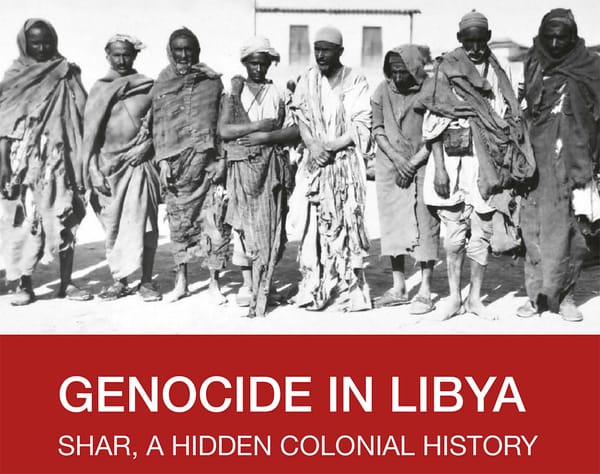
Genocide, Historical Amnesia and Italian Settler Colonialism in Libya—An Interview with Ali Abdullatif Ahmida
In the late 1920s, the Italian fascist regime implemented a campaign of ethnic cleansing in eastern Libya to create more land for Italian settlers and quell armed resistance to colonization. Ali Abdullatif Ahmida’s new book, Genocide in Libya: Shar, a Hidden Colonial History, examines this forgotten
Genocide, Historical Amnesia and Italian Settler Colonialism in Libya—An Interview with Ali Abdullatif Ahmida
In the late 1920s, the Italian fascist regime implemented a campaign of ethnic cleansing in eastern Libya to create more land for Italian settlers and quell armed resistance to colonization. Ali Abdullatif Ahmida’s new book, Genocide in Libya: Shar, a Hidden Colonial History, examines this forgotten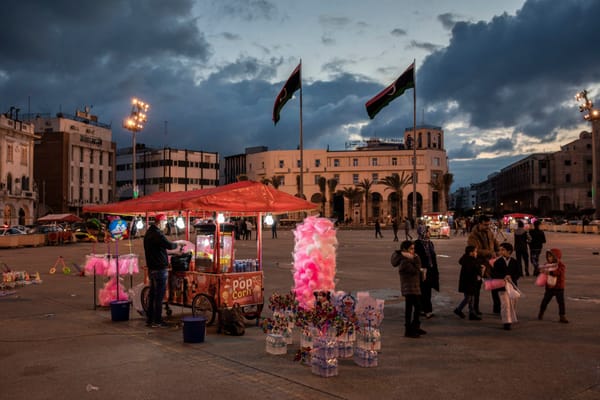
The Enduring Taste of Hope—A Poem and Interview with Khaled Mattawa
Soon after Libyans rose up in protest against the brutal authoritarian regime of Muammar al-Qaddafi in February 2011, the Libyan American poet Khaled Mattawa wrote “Now That We Have Tasted Hope.” His poem powerfully captured the mix of relief and anguish, despair and hope felt by many who participat
The Enduring Taste of Hope—A Poem and Interview with Khaled Mattawa
Soon after Libyans rose up in protest against the brutal authoritarian regime of Muammar al-Qaddafi in February 2011, the Libyan American poet Khaled Mattawa wrote "Now That We Have Tasted Hope." His poem powerfully captured the mix of relief and anguish, despair and hope felt by many who participat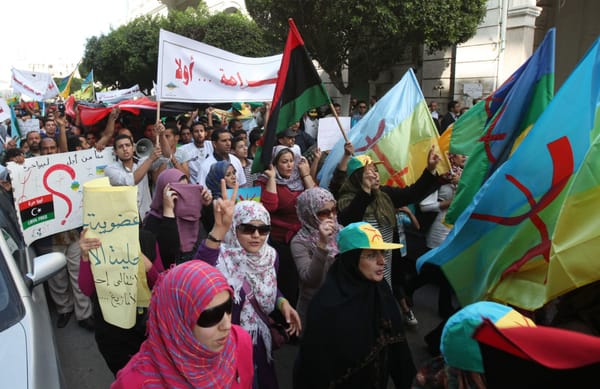
Minorities in Libya Marginalized by the Revolution
Despite a decade of attempts to create a new democratic system of governance based on respect for human rights, efforts by non-Arab groups and other minorities in Libya to end discriminatory practices have been unsuccessful. The continued marginalization of minority groups is largely due to the pers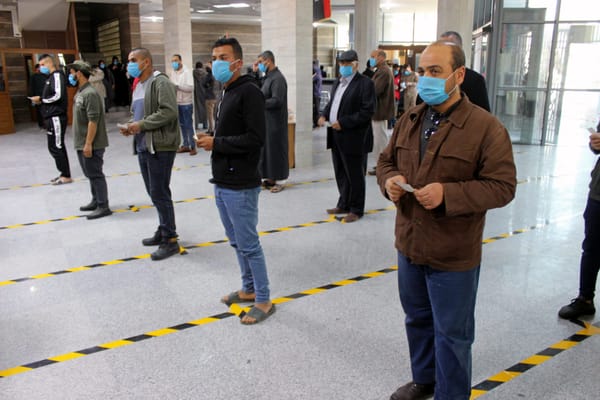
Why Civil Society is Libya’s Best Defense Against the COVID-19 Pandemic
With its national government in fragments and fighting ongoing, Libya was in an extremely vulnerable position when the COVID-19 pandemic arrived in March. Four months later, however, infection rates have been kept relatively low. Nada Elfeituri explores the crucial role of post-Qaddafi civil society