
Gulf
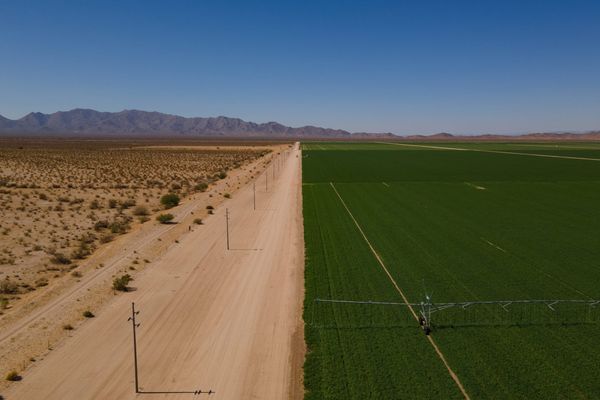
Extractive Agribusinesses—Guaranteeing Food Security in the Gulf
The 2022 Food and Agriculture Organization report on food security and nutrition in the Arab region makes for bleak reading. Between 2014 and 2021, the total number of Arabs suffering from moderate to severe food insecurity increased from 120 million to 154 million.[1] This insecurity, however, was not distributed
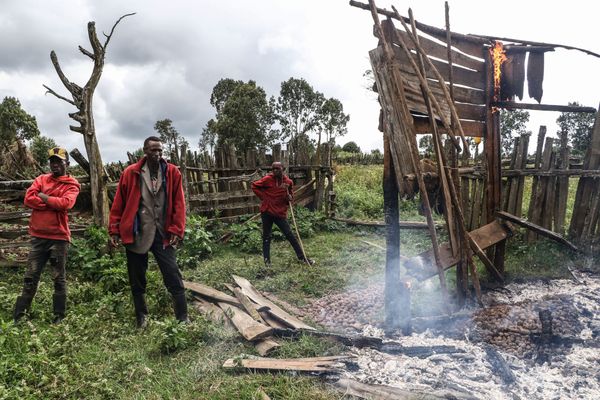
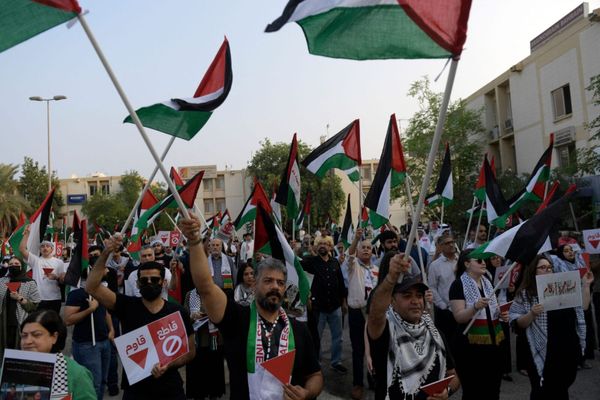

Transnational Repression Against Exiled Women Activists
In Spring 2011, as the uprising against Bashar Al-Assad erupted in Syria, Sana, the daughter of Syrian exiles living in Canada, began engaging in online activism. Her support for the revolution rapidly gained traction among fellow Syrians and a widening global audience. But as her voice grew louder, she

The Gulf and the British Regional Divide
In a troubling symbiotic relationship, Britain’s so-called “levelling up agenda,” begun by Boris Johnson, aims to address the regional divide between the country’s North and South, in part, by courting investments from the Gulf. Within this agenda, football clubs—important local assets with emotiona
The Politics and Passions of Football
The Fall 2022 issue of Middle East Report, “Football—Politics and Passions,” examines the regional and global importance of the beautiful game in the lead up to the 2022 World Cup in Qatar. The authors of issue 304 reflect on the multiple ways football moves individuals and systems between South Asi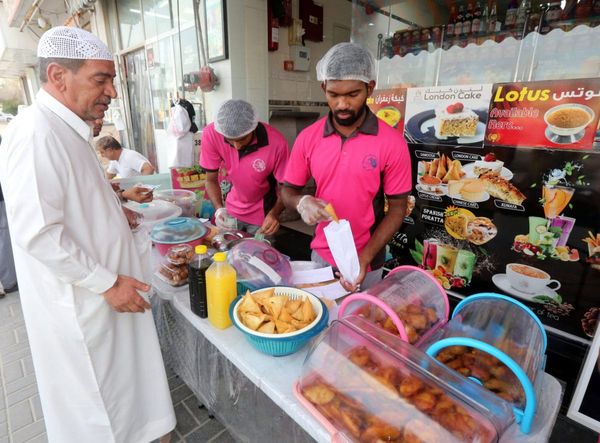
Who is “Indian” in the Gulf? Race, Labor and Citizenship
How do race and racism operate in the Gulf? Neha Vora and Amélie Le Renard closely examine how the term "Indian," as it is used in the United Arab Emirates, refers to much more than national origin. They trace the role of colonialism, capitalism and the state in creating "Indian" as a racialized cat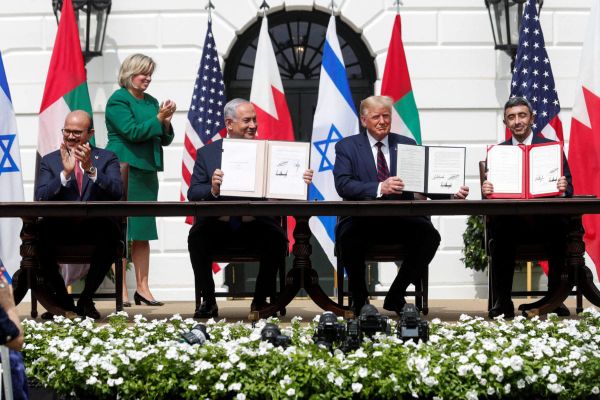
Selling Normalization in the Gulf
When the UAE and Bahrain normalized their relations with Israel, the countries' leaders justified their actions as beneficial to the Palestinian struggle for statehood. Elham Fakhro explains how this rationale quickly fell apart and shifted, revealing deeper economic and strategic goals. Fakhro also