


Iran, Palestine and the Axis of Resistance
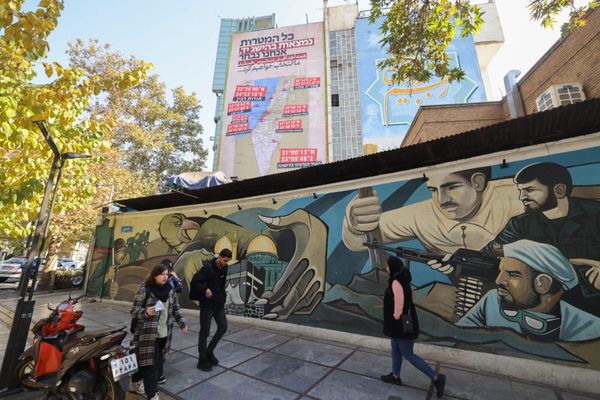
Tehran's meydan-e Felestin—Palestine Square—is a historic site when it comes to the country's relations with Israel and Palestine. Before the 1979 revolution, it hosted Israel’s embassy and went by a different name: Kakh (Palace) Square. In February of 1979, days after the
The End of the Axis of Resistance?
Analysts have been quick to view the swift collapse of Bashar al-Asad’s regime in Syria as a fatal and final blow to the so-called Axis of Resistance: the network of Iranian proxies spanning from Lebanon to Yemen. But such premature post-mortems underestimate what the Axis of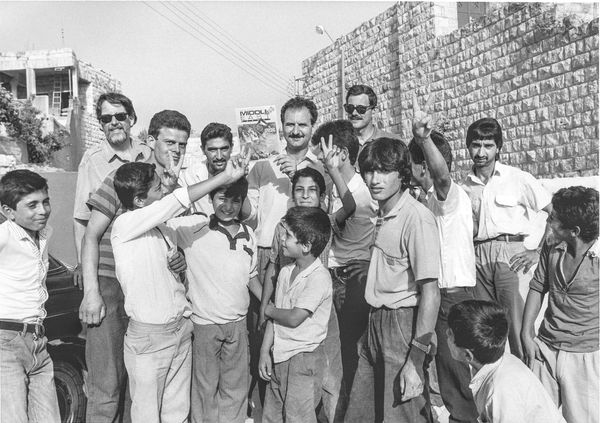
Joseph (Joe) Stork—A Tribute
For much of the first 25 years of his professional life, Joe Stork and MERIP (the Middle East Research and Information Project) were virtual synonyms. He co-founded the organization in 1970 and dedicated himself to its development until he stepped down in 1995. He shaped MERIP as a journalIssue 313 (Winter 2024) Masthead
Middle East Report, “Resistance—The Axis and Beyond,” Winter 2024, No. 313, Vol. 53 No. 4 Executive Director James Ryan jamesryan@merip.org Executive Editor Katie Natanel katienatanel@merip.org Managing Editor Marya Hannun maryahannun@merip.org Photo Editor Michelle Woodward mwoodward@merip.org Staff Editor Alyssa Bivins bivins@gwu.